The Battle of Thermopylae is one of the most important confrontations taking place in 480 BC, during the Greco-Persian Wars.
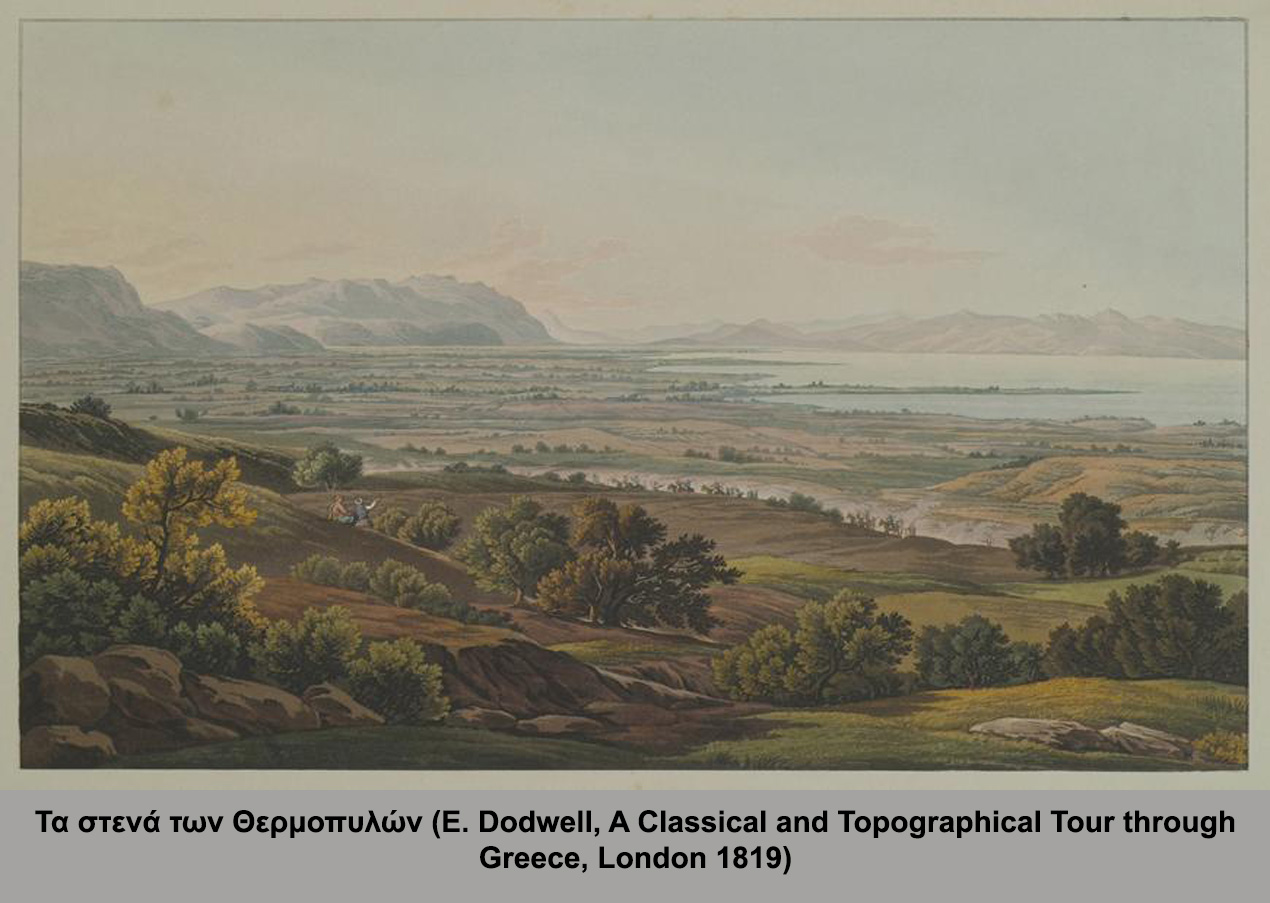
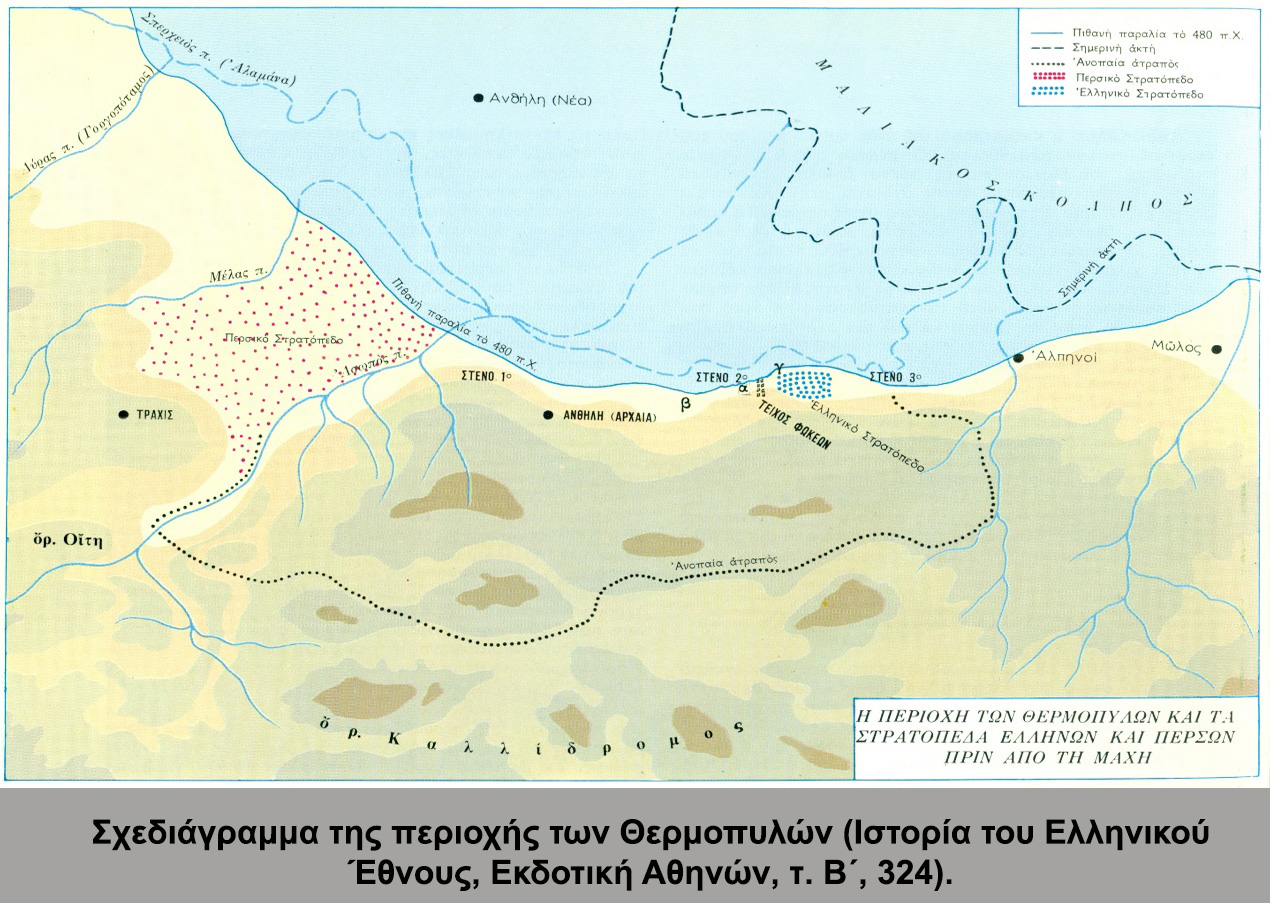
As the head of the mighty Persian army, King Xerxes launched a campaign against Greece, subjugating all areas up to Thessaly. The mightiest city-states of Southern Greece decided to make a stand and face the Persians at the Thermopylae narrow mountain pass, under the leadership of Sparta.
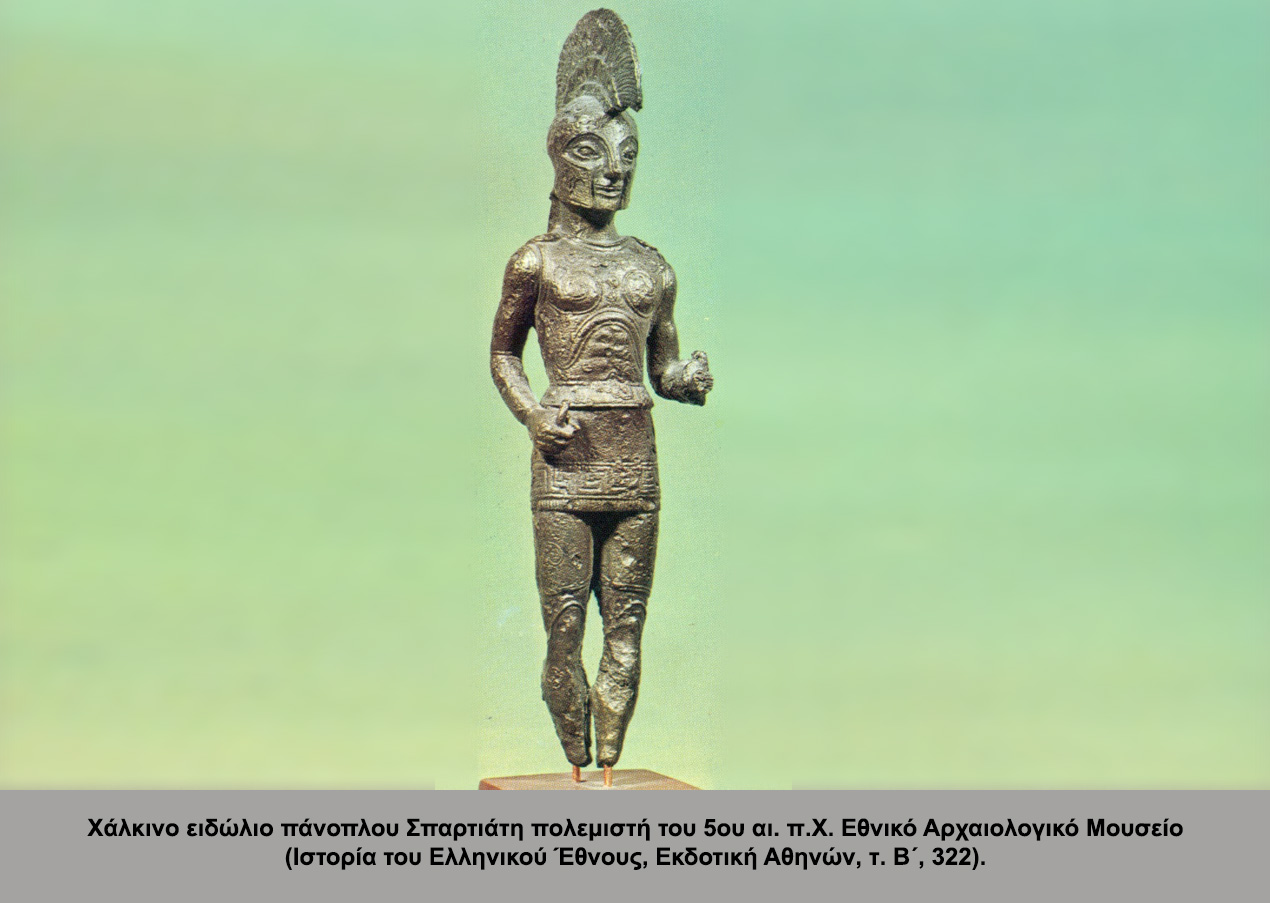
King Xerxes asked the Greeks to lay down their arms and become his allies, promising to reward them with territories. The Greeks’ refusal to lay down their arms is showcased by the definitive response of the head of the Greek forces Leonidas: “Mολών λαβέ (Come and take them)”. The battle lasted for three days. Leonidas, along with 300 Spartans and 700 Thespians, managed to vehemently oppose the enemy. However, they were defeated after the betrayal of Ephialtes, who indicated to the Persians a path and led them to bypass the Greek forces and attack from the rear. The clash was ferocious. The Greeks, demonstrating their war merit, caused numerus losses to the enemy, but despite their titanic struggle, they fell fighting heroically, with the most significant loss being that of Leonidas.
The Battle of Thermopylae showcases a deed of heroism, self-sacrifice and resistance against a superior enemy. The resistance of Leonidas and his hoplites symbolises decisiveness and reveals their ethos and high morale. The sacrifice of these men stayed etched on memory as the most characteristic expression of Spartan bravery, military duty and sacrifice for freedom.
#ΕλληνικόςΣτρατός, #HellenicArmy