The 29th of May 1453, known as a “black” day, is the moment when the Queen of Cities was conquered by Sultan Mehmet II, in order to establish a stable centre for the developing Ottoman Empire in Constantinople.
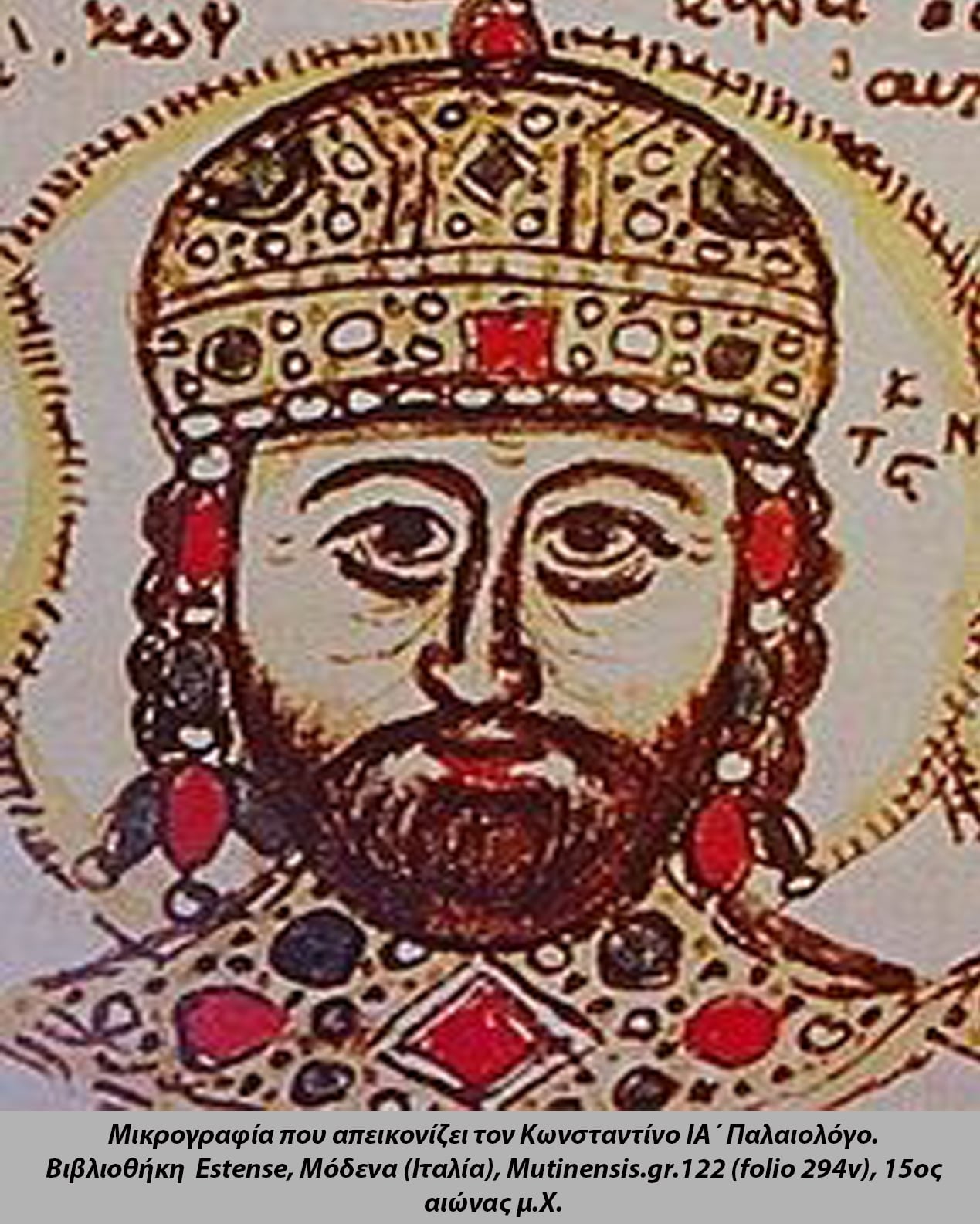
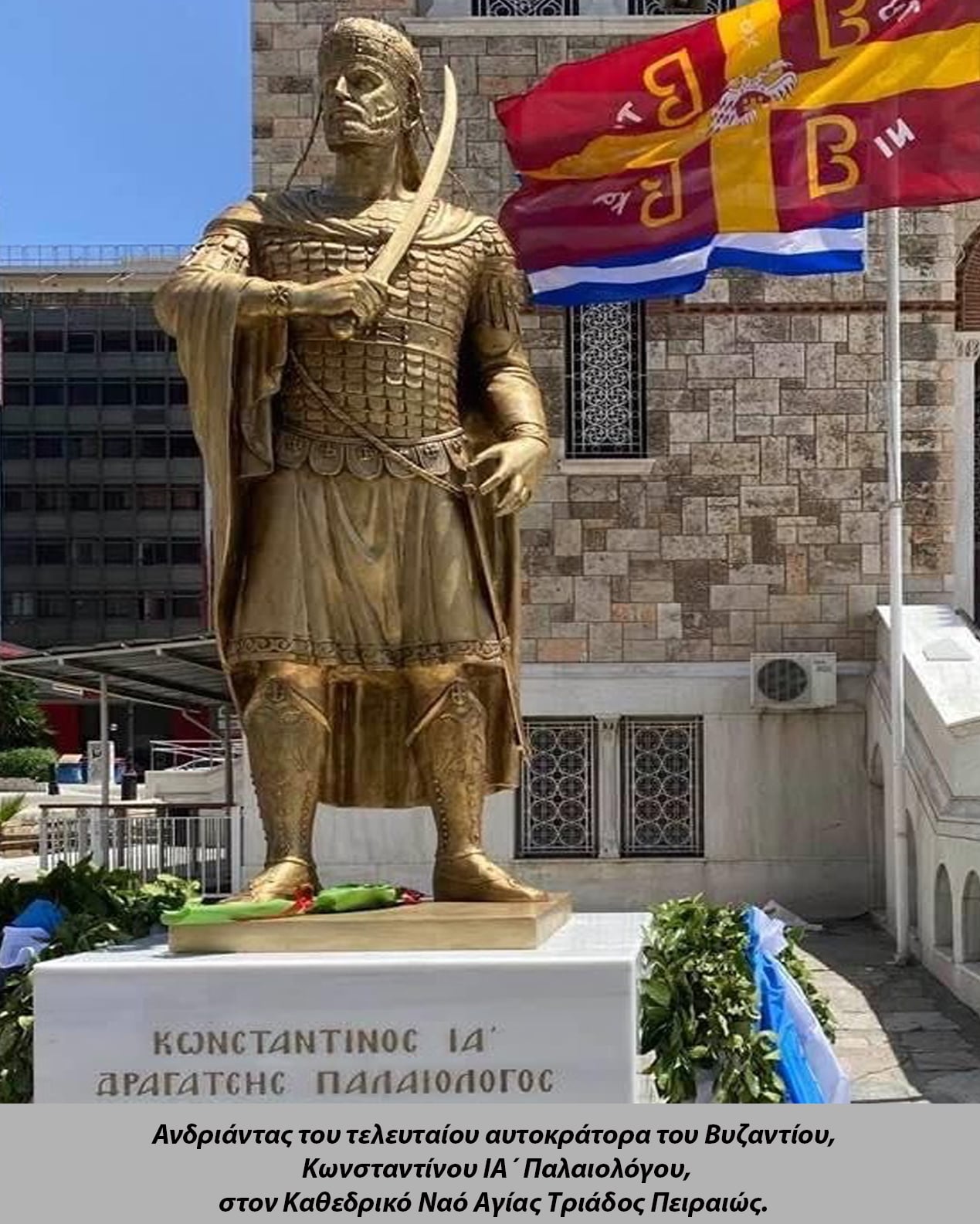
The siege of Constantinople began on 6 April and lasted until 29 May 1453. At the start of April 1453, Mehmet II assembled numerous troops, and by the use of strategic and military means attempted to breach the City’s Walls. Opposed to him stood Constantine XI Palaeologus, with the defenders of the City numbering 5,000 Greeks and 2,000 foreigners, with few provisions and small cannons, which were no match for the Turkish guns. The assault targeted the land walls, especially the Fifth Gate, considered one of the weakest points of the Byzantine defence. The Emperor fought with heroic determination, resisting the Sultan’s calls for the City’s surrender, giving his warriors the example.
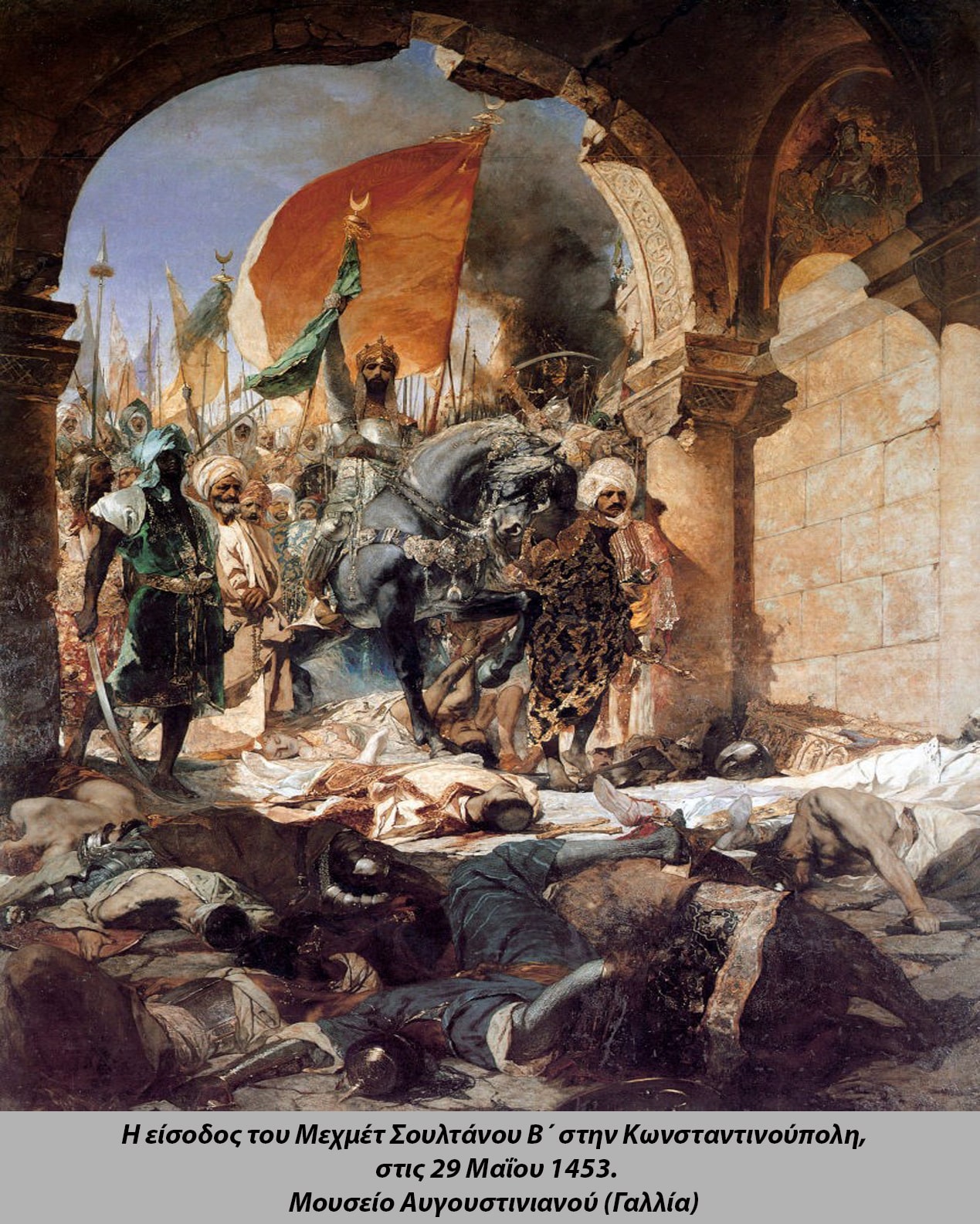
The final outcome of the siege was not late in the coming. On the eve of the 29th, the Christians, Greek and Latin, held a final mass in Agia Sofia, and took battle stations. In the early hours of the morning, the assault began, and Constantine XI Palaeologus was mortally injured near the gate of St. Romanos. The looting lasted for three days, and on the fourth, Mehmet made a triumphal entrance in his new capital.
The triumphal entrance of Mehmet II into the conquered city led to the destruction of precious objects, works of art, precious manuscripts, icons, and church treasures, marking the end of the Byzantine Empire, and the beginning of Ottoman dominance in the region.
#ΕλληνικόςΣτρατός, #HellenicArmy