The Cyprus issue, as an international issue, has its roots in the late 19th century, specifically in 1878 when Cyprus became a British colony. Since then, the Cypriot people’s call for self-determination and union with Greece has not been supported by the international community. In 1959, the talks between Greece and Turkey led to the London and Zürich Agreements, which ended British rule in Cyprus and led to the establishment of an independent state of Cyprus. Within the framework of these Agreements, the three guaranteeing powers, Greece, Turkey, and Britain, decided to establish the Hellenic Contingent in Cyprus and the Turkish Contingent in Cyprus and deploy them on the island in order to guarantee the independence, territorial integrity, and security of the Republic of Cyprus. However, constant Turkish provocations resulted in escalating tensions, culminating in the bloody events of 1964 which brought Greece and Turkey to the brink of war.
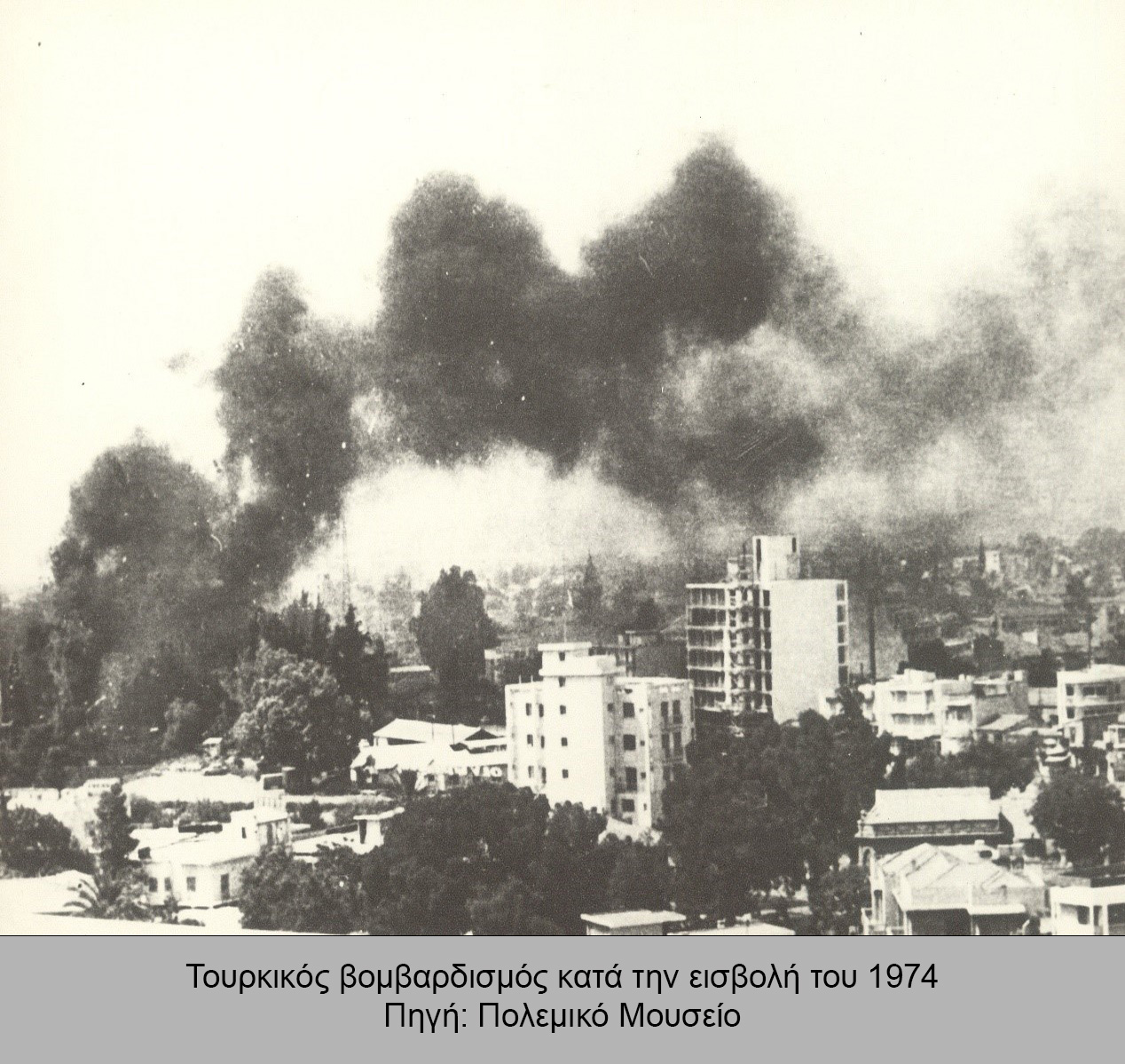
The coup d’ état to overthrow the President of the Republic of Cyprus, Archbishop Makarios III, on 15 July 1974 served as a pretext for the Turkish military invasion of Cyprus on 20 July 1974. Invoking article 4 of the Treaty of Guarantee, Turkey invaded the island (Operation “Attila I”) in order to restore, as it claimed, constitutional order and protect the Turkish Cypriots.
The heaviest fighting on 20 July took place on three fronts: at the village of Kioneli, during the night attack of the Hellenic Contingent in Cyprus, at the Kyrenia beachhead, and on the Pentadaktylos range, where fighting was very bloody. The heavy fighting continued on 21 and 22 July, but Turkey had already achieved its objective.
The first phase of the Turkish invasion of Cyprus ended on 22 July upon UN Security Council Resolution demanding an immediate ceasefire and the end of military intervention on the island. This was followed by a truce, which lasted until 14 August 1974, during which two rounds of peace talks took place in Geneva (25 July and 8-14 August); during that period, Turkish forces received significant reinforcements and proceeded to constant violations of the ceasefire agreement.
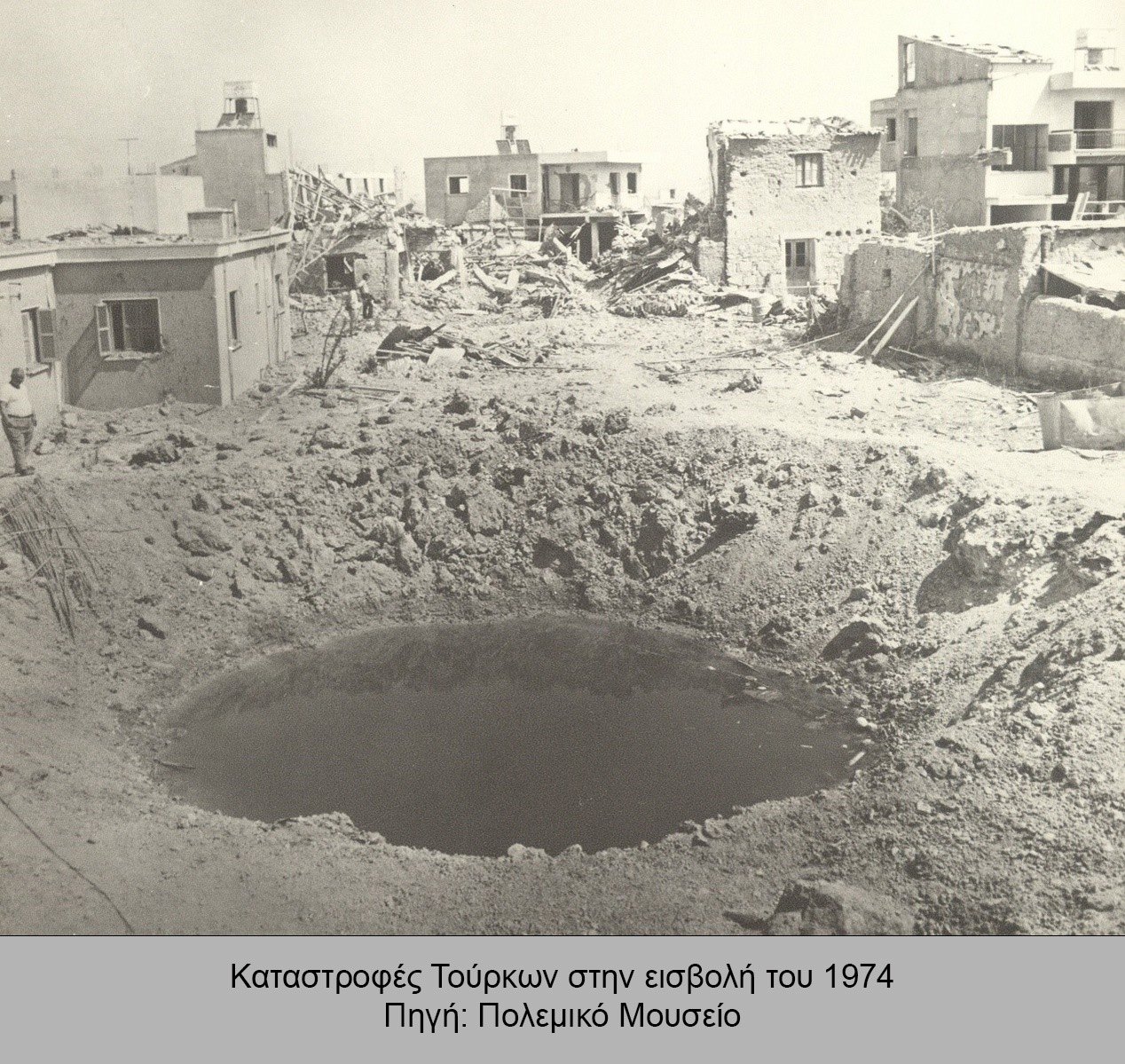
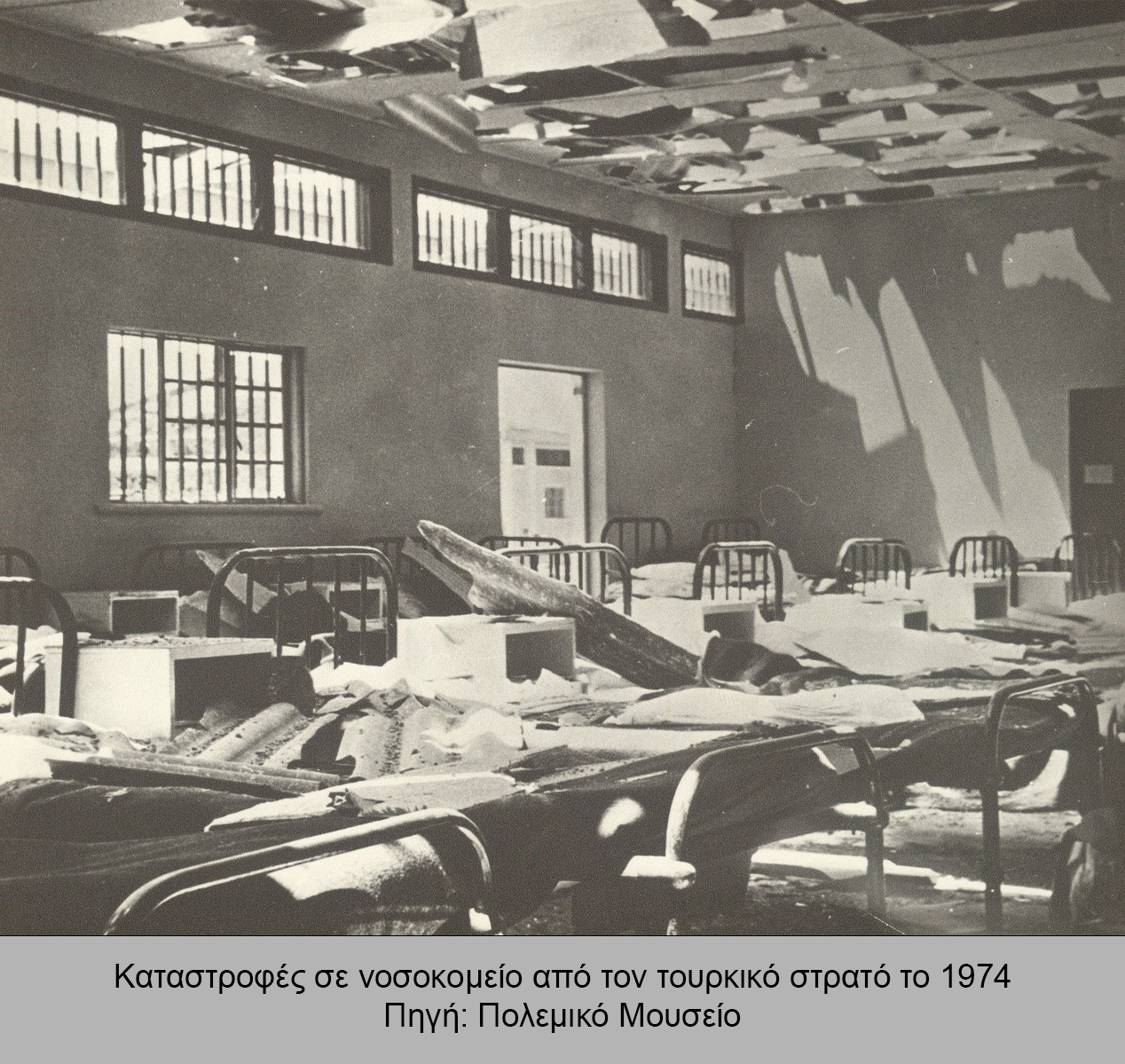
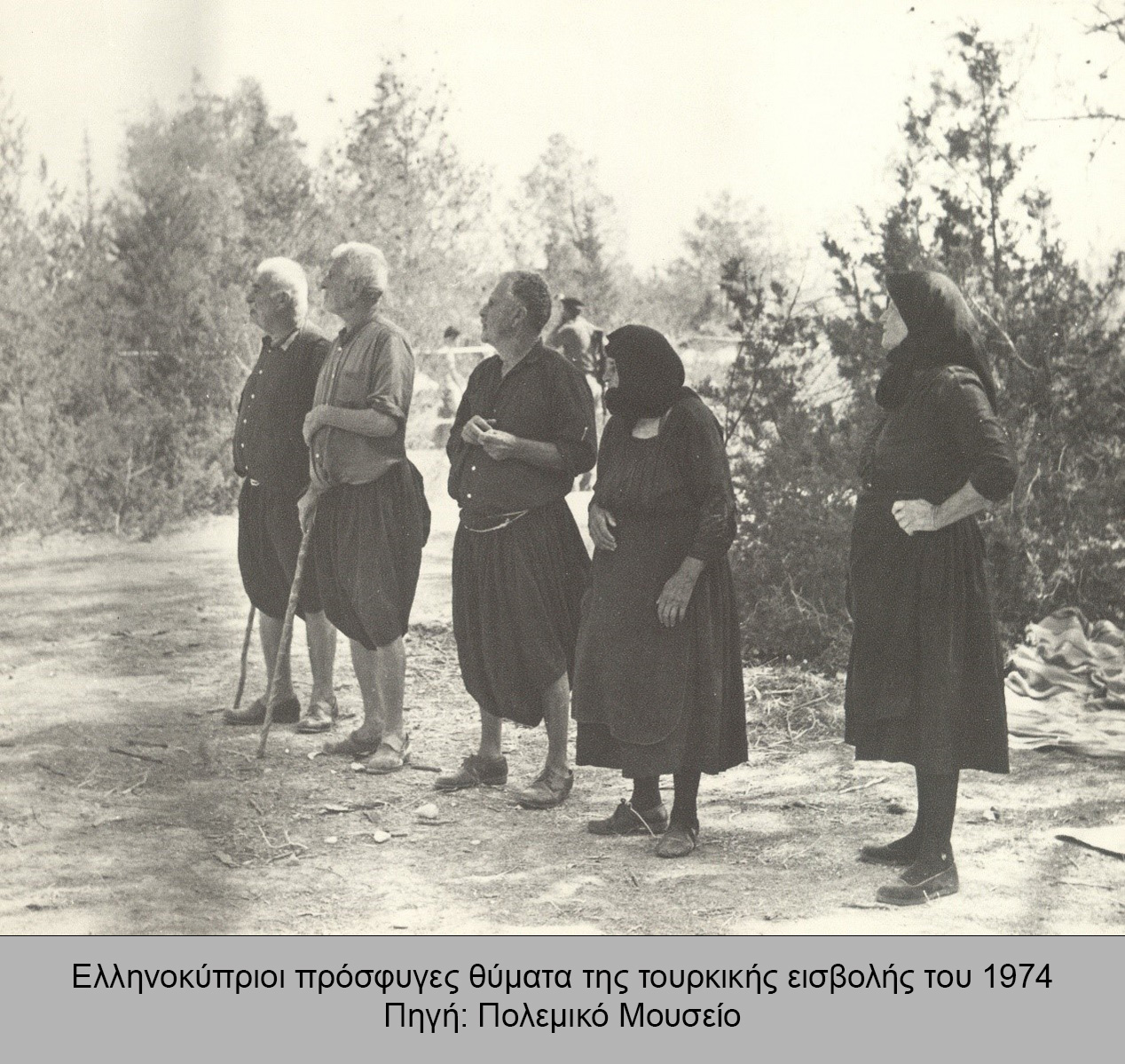
On 14 August 1974, soon after the collapse of the second peace talks round in Geneva, Turkey launched Operation “Attila II”. Within three days, the Turkish forces, reinforced with hundreds of tanks and with heavy air force and artillery support, advanced 60 km to the east and 40 km to the west, capturing the areas of Mia Milia and Famagusta in the east and Asomatos, the Skylloura Pass, and Morfou in the west. They also attempted to capture the positions held by the Hellenic Contingent in Cyprus in the Nicosia Airport area, without significant success due to stout resistance from its defenders. Turkey, having achieved its objectives, accepted a ceasefire in the evening of 16 August 1974. Since then, the “Attila Line” artificially divides Cyprus. Approximately 37% of Cypriot territory was captured by the Turkish forces, while 200,000 Greek Cypriots, almost 40% of the total population, were forcibly displaced from their homes and forced to become refugees, fleeing to the free southern part of the island.
#ΕλληνικόςΣτρατός, #HellenicArmy