The Battle of Crete is the final act in the struggle of Greek troops against Axis forces on Greek soil, prior to the total occupation of the country, and simultaneously, one of the most glorious and peculiar battles of World War II.
From the beginning of the war, Crete was in the centre of interest of the two opposing alliances, since, due to its strategic position, it was an excellent base of operations for aeronautical operations in all directions, and meanwhile, guaranteed its’ holder control of naval communications in the Mediterranean. The island had interested Hitler much prior to the Germans expressing any hostile intent towards Greece. He believed that invading Crete would guarantee a swift success in the Eastern Mediterranean, and that the assault should be airborne. For Greece, maintaining the island’s liberty was of utmost moral and political importance, since, following the occupation of the mainland, it was the sole base of concentration for the retreating troops.
The responsibility for Crete’s security was, after the consent of the Hellenic Government, handed to Britain, in order to safeguard its interests in the Middle East. In April 1941, the Command of Allied Forces Crete was assumed by the Commanding General of the 2nd New Zealand Division, Lieutenant General Bernard Freyberg. Without the requisite organisation, with insufficient fire-power, rudimentary anti-aircraft defence and no air-support, the military forces of the island – British, Australian, and New-Zealand troops, including the forces of the Gendarmerie School of Rethymnon and 300 Hellenic Military Academy Cadets (Evelpidon) – numbered around 43,000 men. Based on the importance and vulnerabilities of the strategic points of the island, the Forces were distributed to the Sectors of Maleme, Chania, Rethymnon, and Heraklion, having the defence of the island as their mission, denying the enemy the usage of its’ airfields and ports.
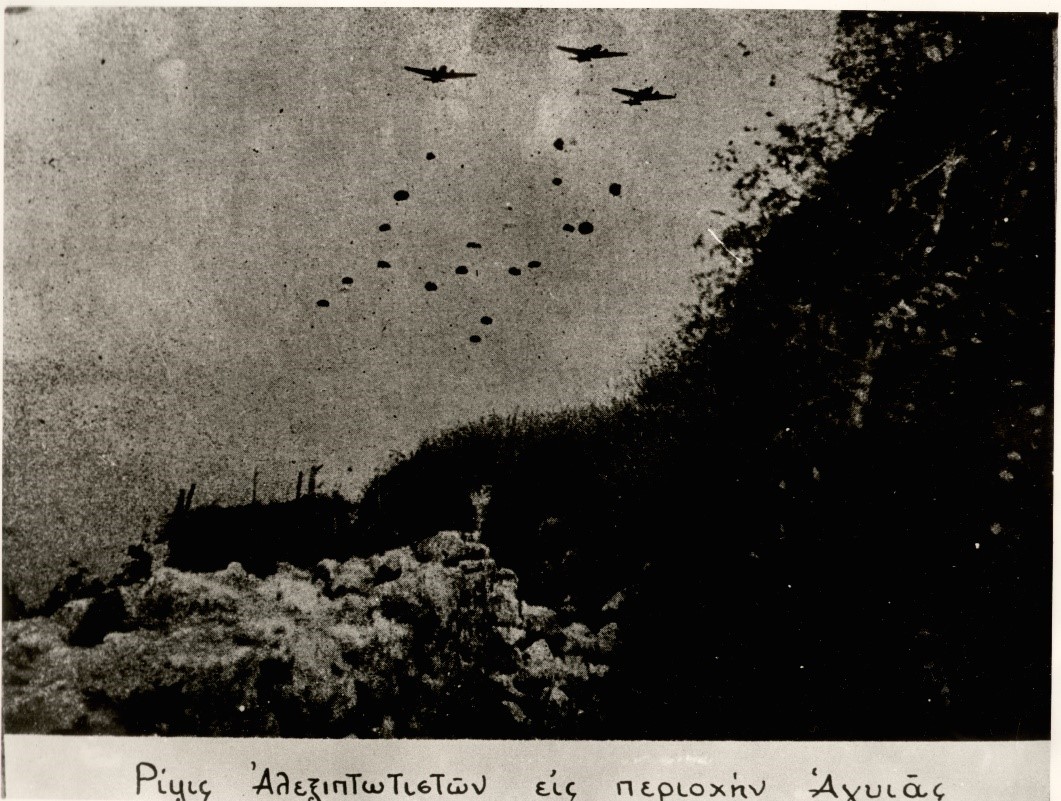
On the German side, on 25 April 1941, Directive “no. 28” was published, code name “MERCURY” (operation invasion of Crete). The German forces undertaking the operation consisted of a fleet of 1,370 aircraft, 70 ships, and, of course, members of the 3rd Reich elite military force (Fallschirmjäger, airborne forces of the Luftwaffe), numbering 22,700 men.
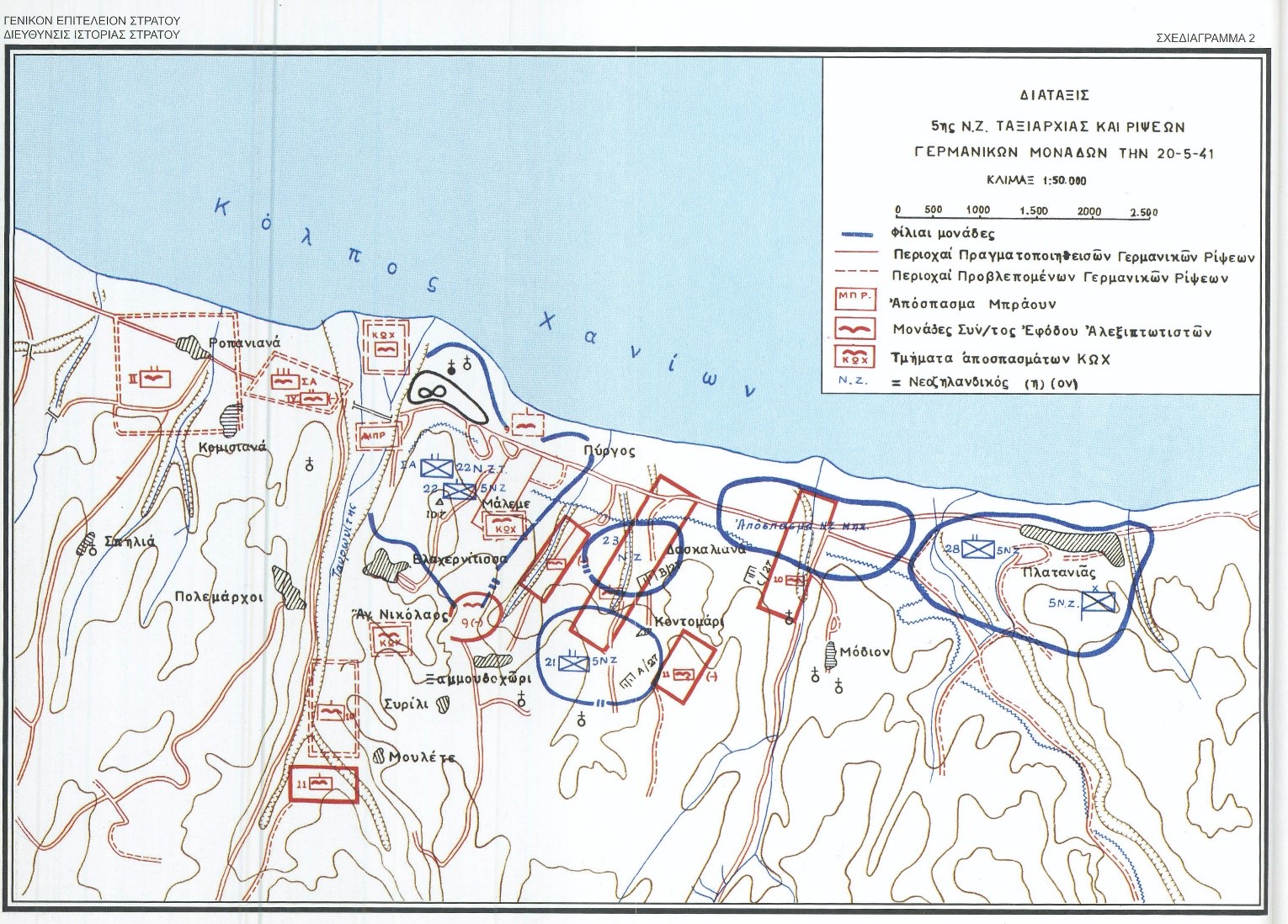
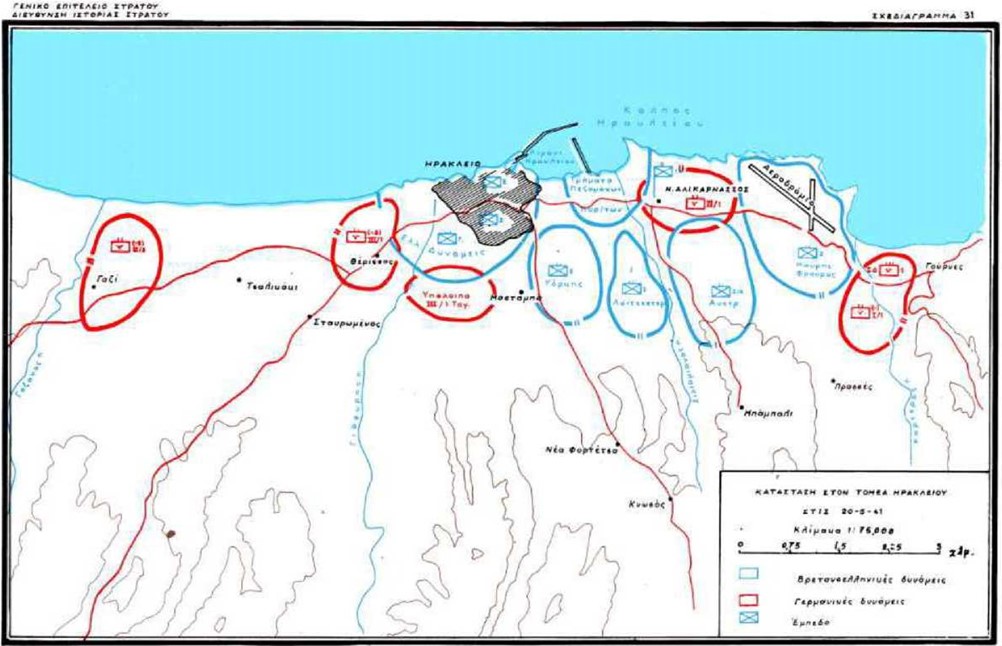
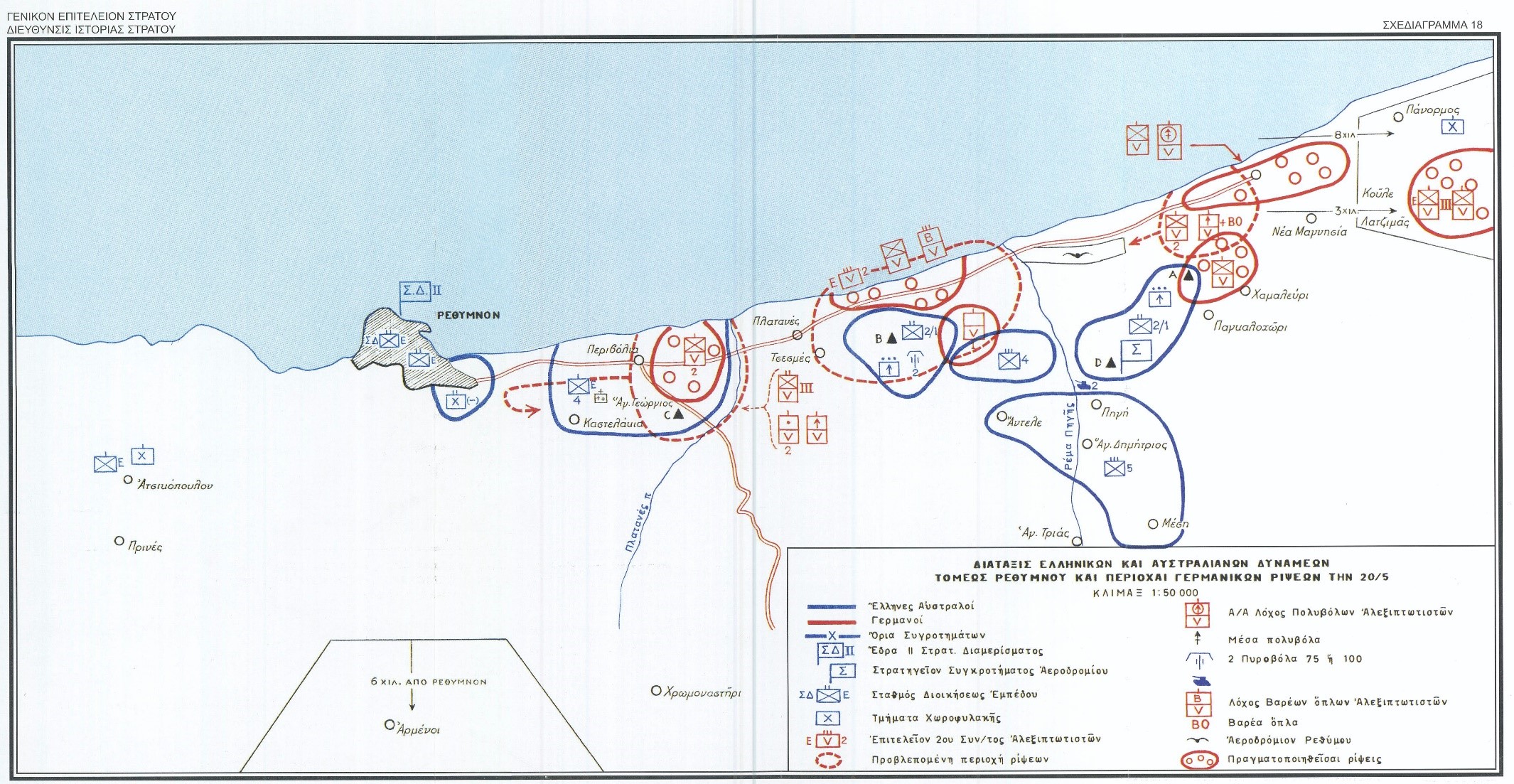
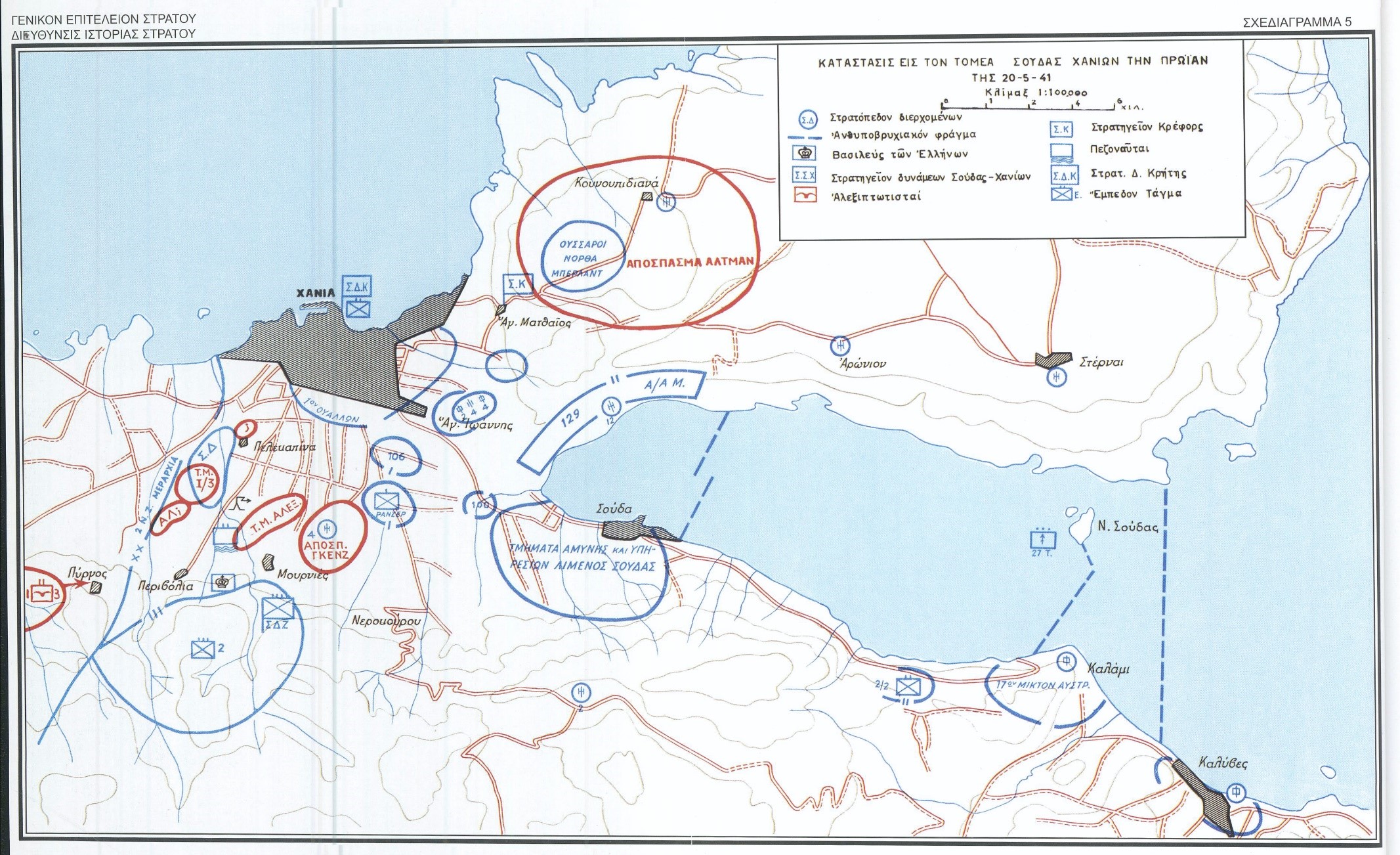
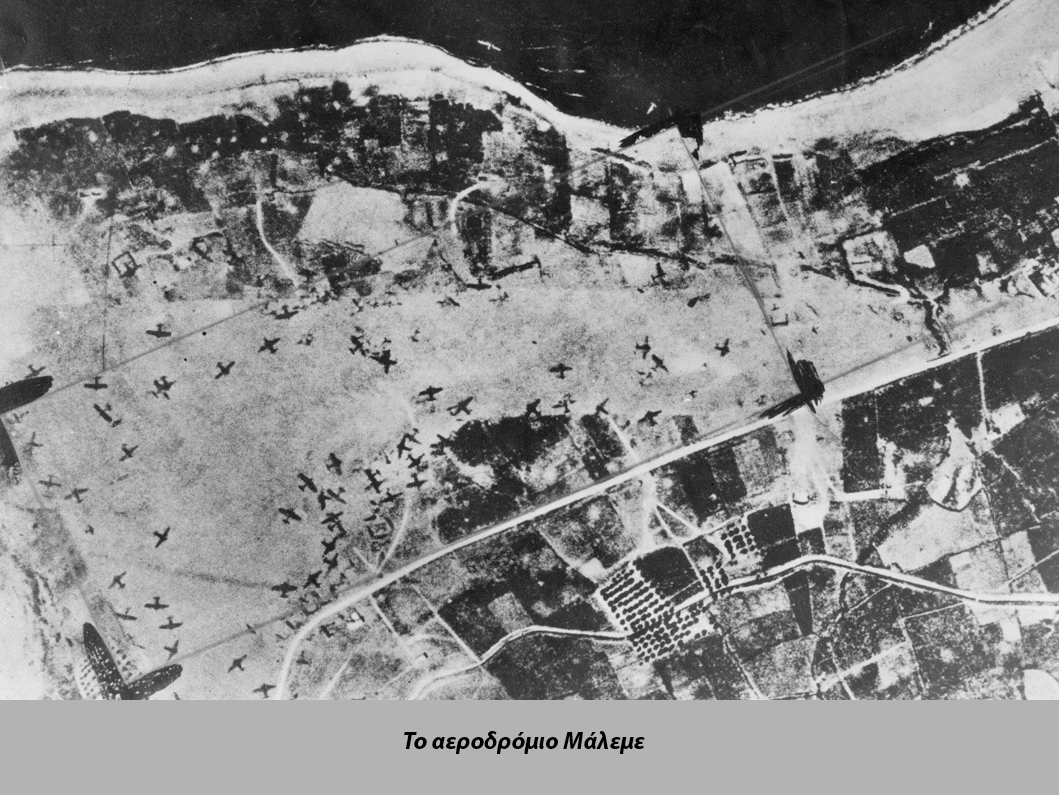
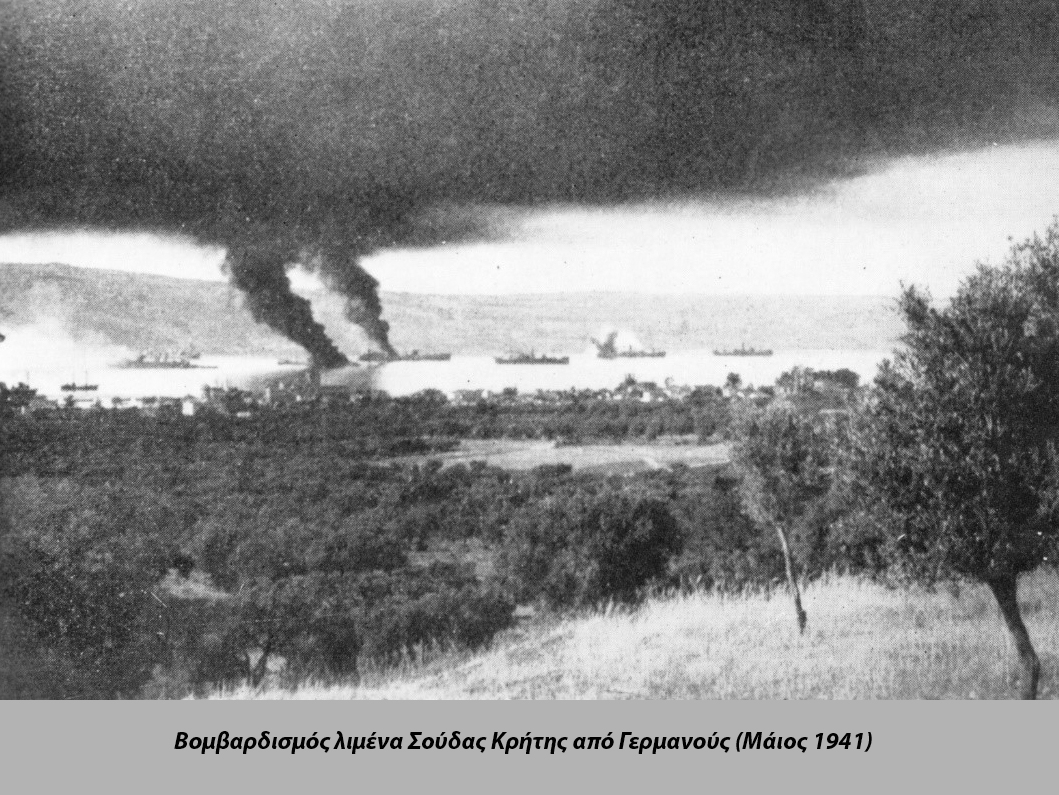
The German assault broke out on 20 May 1941 in three sectors: Chania – Maleme, Rethymnon, and Heraklion. Despite the heavy bombardment of the island’s main airfields, ports, and cities, the first German units were nearly decimated. Yet, the failed British counterattack and recapture of Maleme airfield and Hill 107, which had fallen into German hands in the night of 21 May, turned the tide in favour of the enemy. The initiative was now in the hands of the Germans, who were constantly being reinforced by new airborne assaults. In the early morning hours of 28 May, the Commander of Allied Forces Crete published an evacuation plan, which provided for the evacuation of the bulk of the Allied Force from the region of Sfakia. On the night of 31 May, the final British units evacuated the beaches of Sfakia.
By the end of the month, the capture of the island was complete, despite the stiff defence the British-Hellenic forces put up, and the resistance of the whole of the Cretan population, which became an unforeseen and decisive factor in the conflict. The voluntary participation of part of the Hellenic Military Academy in military operations (300 first year cadets) was also of great importance.
In short, the factors which turned the tide in favour of Germany were: the considerable gaps in the defensive organisation of the island, the absence of the natural defender of the island, the V Cretan Division, which had been cut off in mainland Greece, the lack of communications, which was a factor in the Maleme region, the total lack of organisation and equipment of the militia, and finally, the overwhelming air dominance of the Germans.
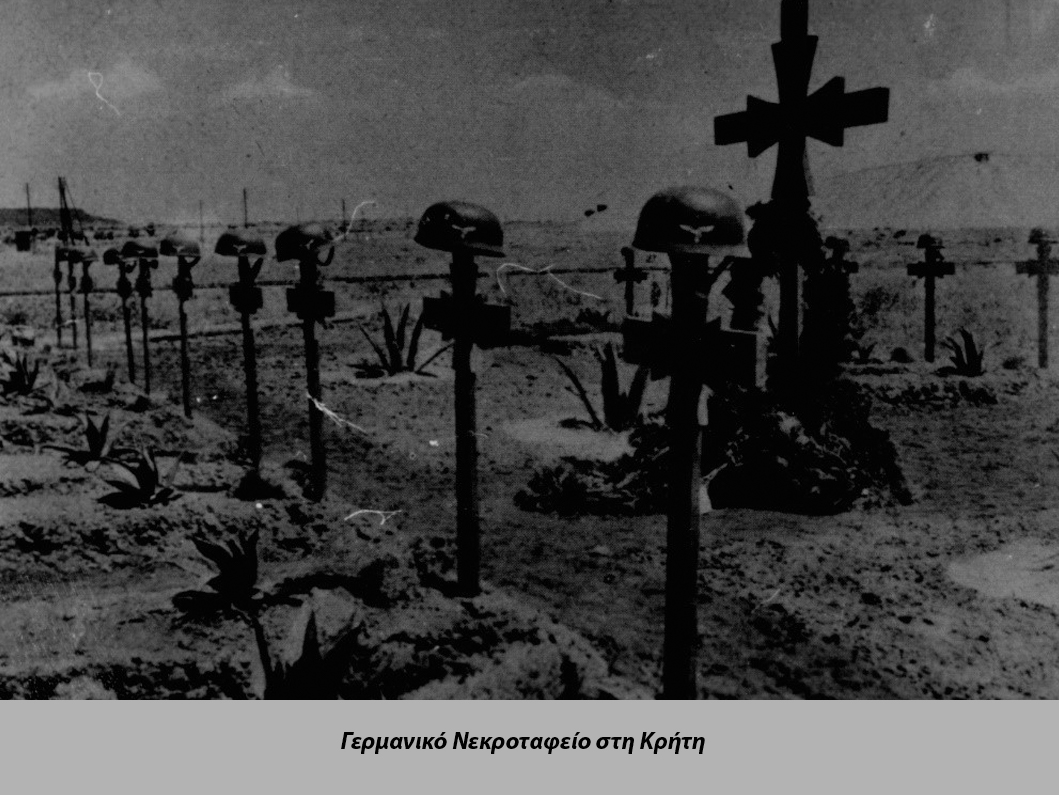
It is worth of note, however, that, despite its negative outcome, the Battle of Crete struck a serious blow to the German war machine. The elite Paratroopers corps (which had hitherto achieved important tasks at small cost), was surprised by the resistance of the Cretan people, and suffered heavy casualties. Crete became the “graveyard of German paratroopers”, as the Commander of XI Air Force Corps, Lieutenant General Student had to admit, and it became the opportunity for their subsequent decommissioning. In the battle of Crete one of the most precious weapons of Hitler was destroyed, the myth of the Axis Forces’ invincibility was confuted, and the foundations for the overthrow of the German strategic plans were set.
#ΕλληνικόςΣτρατός, #HellenicArmy