On 28 October 1940, the morning study of Hellenic Military Academy cadets was interrupted by shouting and joyous expressions of enthusiasm by the third year cadets. They had just been announced that war had been declared and that the Academy mobilisation plan had been implemented, assigning them to field units with the rank of Second Lieutenant.
The officers, the instructors (with few exceptions), and the new Second Lieutenants left for their units, ready to pass down the Academy’s fighting spirit. They were joined by the second year cadets, who temporarily had the rank of Warrant Officer. First year cadets were given leave; they returned later, in mid November, to continue their studies in the Academy.
Hellenic Army victories followed one another, in Moravas, Ivan, Korytsa, Argyrokastro, Klisoura. Greek bravery and the glory of the Greek arms shone bright on the mountains of Albania.
On 23 April 1941, the Academy Commandant at the time, Artillery Lieutenant Colonel Kamarinos Efstathios, informed the cadets about the unfavourable course of the war and the impending entry of the Germans into Athens. On the same day, the King, George II, and the government arrived at Crete to continue the fight.
The Athens Command was planning to use the cadets for police duties in the capital. The Academy, however, true to its traditions, decided to follow the path of fight and sacrifice. After their move to Thermopylae to join the Greek and British forces fighting there became impossible, the few officers and instructors with 300 cadets decided to follow the King of Greece to the island of Crete.
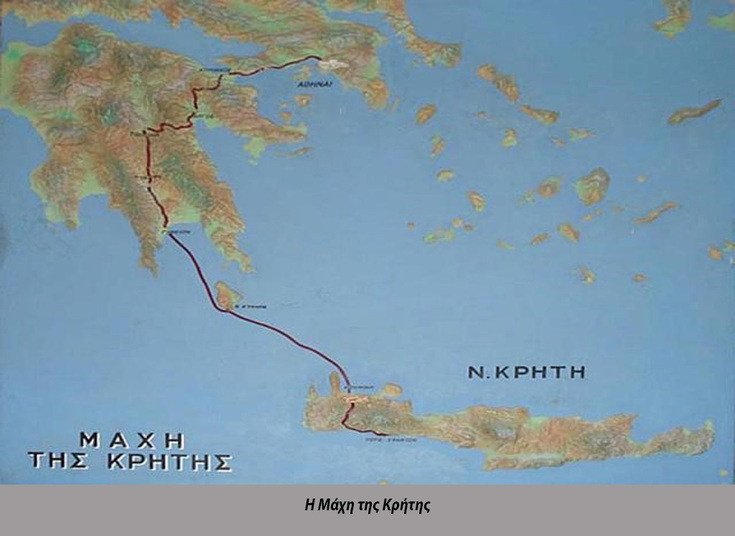
Despite the fact that, due to the absolute domination of the Germans, the chances of survival from such a difficult journey were slim, patriotic sentiment among the cadets was so high that they did not think about the risks. After receiving the Academy Colours and weapons, they commandeered vehicles and crossed the Peloponnese while being bombarded by the Germans. They arrived at Gythio on 26 April, boarded boats and, through stormy seas and aerial bombardment, they arrived after two days and landed at Hania.
There, they continued their training for almost one month. After they passed their exams and as they were preparing to leave for their units, they were attacked by the Germans. The Academy camp in Kolympari, Hania, was surrounded by German paratroopers. It was at that time when 300 cadets received the baptism of fire in the most dramatic way.
Fighting at close quarters, the cadets caused heavy casualties to the enemy until, in the following days, they withdrew as an organised force to the White Mountains and Sfakia, from where they escaped individually in different directions.
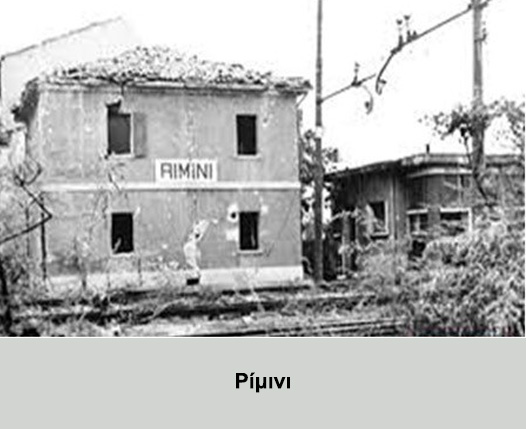
The epic of Crete was over for the Academy. However, many Academy graduates continued the war in El Alamein, Rimini, the Greek mountains, the Aegean Sea islands, and in the cities. This audacious and unprecedented act by the 300 cadets was heard beyond the borders of Greece and became world famous.
#ΕλληνικόςΣτρατός, #HellenicArmy